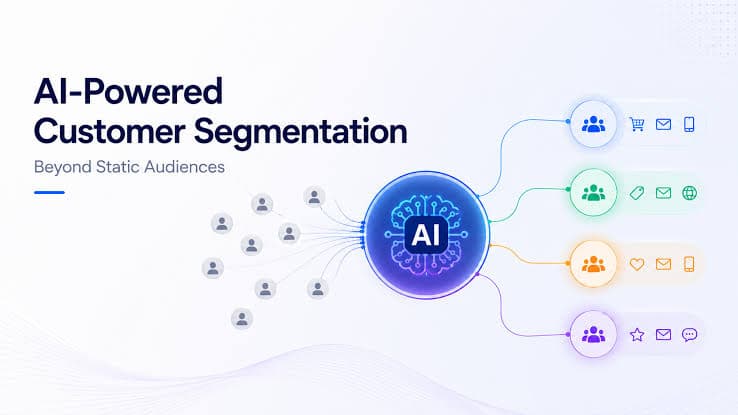
In most marketing teams, audience segmentation still means filtering spreadsheets or ad dashboards by age, location and a few interests. AI‑powered audience segmentation goes much further by analysing behaviour and intent across channels and then automatically grouping people into meaningful segments for campaigns.
Instead of manually guessing who is “high intent” or “likely to buy,” AI models look at signals like frequency of engagement, response to past campaigns, transaction patterns and conversation history. They then generate segments such as “repeat buyers,” “price‑sensitive browsers” or “churn‑risk customers” that update in real time as behaviour changes.
Using WhatsApp and Meta Ads Data to Build Smarter Audiences
WhatsApp and Meta Ads (Facebook and Instagram) are two of the most powerful sources of real‑time customer intent. Together, they capture both conversational context and performance advertising behaviour.
1. WhatsApp Intent Signals
From WhatsApp, you can feed your AI models with signals like:
- How often a user initiates chats or responds to broadcasts.
- Which templates, offers, or updates they interact with.
- The type of questions they ask (price, availability, comparisons, support).
- Response speed and depth of conversation over time.
2. Meta Ads Intent Signals
From Meta Ads, you can use:
- Click‑through and engagement rates at the ad, creative, and audience levels.
- Add‑to‑cart and purchase events associated with specific campaigns.
- Video views, post saves, profile visits, and other engagement markers.
- Frequency of exposure vs. actual actions (e.g., “seen 5 times, never clicked”).
When this data is combined in an AI segmentation workflow, it allows you to build richer audiences than simple “interest‑based” or “lookalike” groups. Instead of treating each channel separately, you can define segments based on cross‑channel journeys—how ad clicks, site behaviour, and chat interactions layer together to reveal true intent.
Example High‑Intent Audiences You Can Launch Quickly
Here are a few practical audience types you can define by combining WhatsApp and Meta Ads data with AI‑powered segmentation. These can be adapted to ecommerce, services, SaaS, or local businesses.
Cart Abandoners Who Engage on Chat
- The Behaviour: Users who added items to their cart after clicking an ad but did not complete checkout, yet have opened or replied to at least one WhatsApp message in the past 7–14 days.
- The Strategy: Ideal for personalised recovery flows using targeted messages, incentives, FAQs, and reassurance about delivery, returns, or support.
High‑Intent Browsers (Frequent Engagers Without Purchase)
- The Behaviour: People who regularly click ads, watch product videos, save posts, or visit your profile, but haven’t purchased yet. They may have asked discovery‑style questions on WhatsApp (comparing options, asking about features).
- The Strategy: Perfect for education‑first campaigns featuring guides, use‑case content, testimonials, and limited‑time offers that move them from interest to action.
Loyal Customers with Strong Messaging Engagement
- The Behaviour: Users who have purchased more than once and consistently interact with WhatsApp updates (reorders, feedback, recommendations). They often respond quickly and engage with richer content such as catalogues or stories.
- The Strategy: Great candidates for loyalty programmes, exclusive launches, cross‑sells, and advocacy‑driven campaigns (referrals, reviews).
Churn‑Risk Customers Who Have Gone Quiet
- The Behaviour: Previously active buyers or engagers who haven’t clicked ads or responded to chats for a defined period (e.g., 60–90 days). AI identifies subtle patterns that typically precede churn, such as fewer visits, less interaction, and shorter responses.
- The Strategy: Useful for win‑back campaigns with tailored incentives, “we miss you” messages, and re‑engagement surveys to understand why they dropped off.
Price‑Sensitive Deal Seekers
- The Behaviour: Users who show spikes of engagement during promotions, consistently click discount‑heavy creatives, and ask price‑related questions on WhatsApp. They frequently delay purchasing until a deal appears.
- The Strategy: Ideal for segmented offers like bundles, limited‑time discounts, early access to sales, and clear messaging around value.
Why Starting with WhatsApp and Meta Ads Makes Sense
For many brands, WhatsApp and Meta Ads are already core channels, making them a natural starting point for an AI‑powered marketing intelligence strategy:
- The data is rich and behavioural: You see what people do, not just who they are.
- Signals arrive in near real time: Segments stay fresh and respond quickly to changing intent.
- Broad cross‑industry application: Both channels cover a wide range of verticals—from D2C and ecommerce to local services, education, and B2B—making your segmentation strategy reusable across campaigns.
By training your models on combined chat and ad performance data, you can move from static lists to living audiences that update as people interact with your brand. Over time, you can extend this framework to include website analytics, app events, email activity, or offline signals—but starting with WhatsApp and Meta Ads gives you immediate, high‑quality intent data to work with.