Most marketing teams don't get a bigger budget every quarter. They get the same budget — and pressure to make it go further. Usually the first move is to tweak the creative, test a new offer, or shift spend between Meta and Google. Those changes help at the margins. But the biggest lever most teams never touch is the one sitting underneath all of it: who the ad is actually being shown to
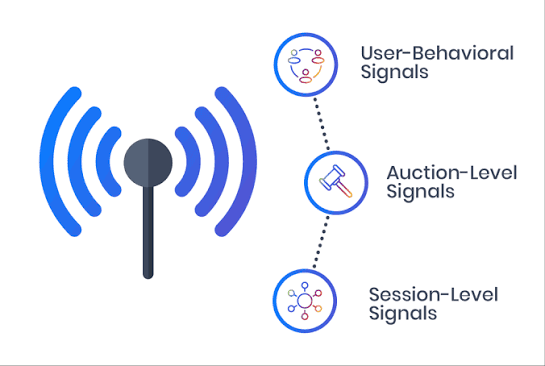
Here's what changes when you stop letting Meta and Google guess at that and start telling them yourself — based on real purchase behaviour.
Both platforms are excellent at finding people who behave a certain way online — searched a keyword, watched a video, spent time on a similar page. That's a genuine signal. But it's a signal of attention, not necessarily an intent to buy.
This is why so many campaigns plateau: not because the platforms are bad at their job, but because they're being asked to solve a problem — "who will buy?" — using a signal that only answers a different one — "who's paying attention?"
Nothing changes about where the ads run. Meta stays Meta. Google stays Google. What changes is the definition of who they're allowed to show the ad to.
Instead of an interest-based or lookalike audience built from likes and clicks, the audience is built from actual spend behaviour: category purchases, transaction frequency, income indicators, and product affinities pulled from real, consented first-party data — not assumptions layered on top of browsing history.
The practical difference shows up in three places:
1. Fewer wasted impressions.
You stop paying to reach people who were never going to buy in your category, regardless of how "interested" they looked.
2. Sharper funnels.
Narrowing your addressable audience — sometimes by 5X — sounds counterintuitive if you're used to thinking "more reach is more results." In practice, a smaller audience built on purchase signals converts at a meaningfully higher rate than a larger one built on interest.
3. Better customers
Not just more of them. Because the targeting is based on who's already spending in-category, the customers acquired tend to have significantly higher lifetime value from the very first interaction — not just a lower cost per click.
There's a reason most brands haven't already done this: the obvious way to get "better" audience data has traditionally meant buying third-party lists — data of uncertain origin, questionable consent, and real compliance risk under India's DPDP Act and similar laws elsewhere.
VeriSmart takes a different approach. Every purchase signal in our network comes from consented, first-party data — contributed by 70+ data partners — and no customer data ever changes hands. Brands and agencies query the intelligence; the underlying data stays exactly where it already lives. You get sharper Meta and Google audiences without taking on the data-sharing risk that usually comes with third-party intelligence.
You don't need a new platform, a new agency, or a bigger budget to get more out of Meta and Google. You need a better answer to the one question both platforms are always asking you: who should we show this to?
Purchase data — not interest, not demographics — is that answer.
Want to see what a purchase-intent audience looks like for your category? Book a 30-minute call and we'll walk through it.